Morning Meals That Changed My Kitchen: 7 Global Breakfast Traditions Worth Borrowing
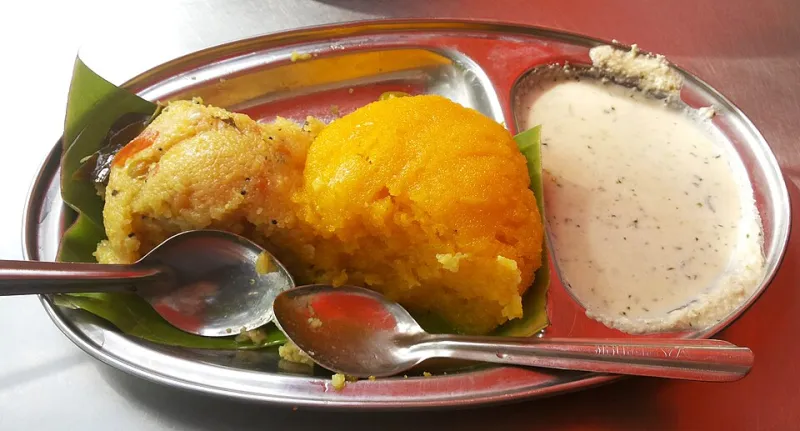
Photo: Rajiv Verma, CC BY-SA 4.0, via Wikimedia Commons
There's a version of breakfast most of us grew up with: a bowl of cereal, maybe some toast, a cup of coffee we sipped in the car. It's functional. It's fast. And compared to what people are eating at the morning table in Tokyo, Tel Aviv, or Oslo? It's kind of boring.
The world has been doing breakfast in wildly creative, deeply nourishing ways for a long time — and most of it never made it onto the American radar. That's a shame, because these traditions aren't just delicious. Many of them are built around sustained energy, communal ritual, and a relationship with food that makes the whole morning feel like something worth showing up for.
Here are seven global breakfast cultures that deserve a spot in your rotation — along with easy ways to adapt them in a typical US kitchen.
1. Japan: The Savory, Balanced Morning Bowl
In Japan, a traditional breakfast (asa gohan) looks nothing like what we'd expect. Think steamed rice, a small piece of grilled fish, miso soup, pickled vegetables, and a soft-cooked egg. It's savory, warm, and intentionally balanced across protein, fiber, and fermented foods.
The nutritional logic is quietly brilliant. Miso, made from fermented soybeans, delivers gut-friendly probiotics. The fish brings omega-3s and lean protein. The rice provides steady, complex carbohydrates. This isn't a breakfast built for speed — it's built for sustained performance.
Try it this week: Make a quick miso soup by dissolving a tablespoon of white miso paste in hot water with a handful of silken tofu cubes and sliced green onions. Serve over leftover rice with a soft-boiled egg. Takes about 10 minutes and reframes your whole morning.
2. Turkey: The Leisurely Spread That Refuses to Rush
Turkish breakfast (kahvaltı, which literally translates to "before coffee") is an experience, not just a meal. The table fills with small dishes: sliced tomatoes, cucumbers, olives, white cheese, honey, clotted cream, jams, and fresh bread. It's social by design — meant to be eaten slowly, ideally with people you like.
Beyond the pleasure of it, this approach delivers variety and volume without a sugar crash. The combination of healthy fats from olives and cheese, fiber from vegetables, and moderate carbs from bread hits a lot of the right nutritional notes for a stable morning.
Try it this week: On a weekend morning, skip the elaborate cooking and instead set out a "mezze-style" spread: a block of feta, some good olives, sliced cucumbers, a drizzle of honey, and whatever bread you have. Sit down. Eat slowly. Notice how different the rest of your morning feels.
3. India: Spiced, Savory, and Seriously Underrated
Indian breakfast varies enormously by region, but dishes like poha (flattened rice cooked with mustard seeds, turmeric, onions, and peas) and upma (a semolina porridge packed with vegetables and spices) represent a philosophy worth appreciating: breakfast should be warm, savory, and spiced with intention.
Turmeric, in particular, has been the subject of significant research around its anti-inflammatory compound curcumin. Starting the day with it — as millions of Indians do — isn't just tradition; it's practical.
Try it this week: Sauté a diced onion with mustard seeds, a pinch of turmeric, and a handful of frozen peas. Add cooked rice or rinsed flattened rice (available at most Indian grocery stores and increasingly at stores like Whole Foods). Season with salt and a squeeze of lemon. Done in under 15 minutes.
4. Scandinavia: Open-Faced and Unafraid of Fiber
The Nordic approach to breakfast is built around what they call smørrebrød in Denmark — open-faced sandwiches layered with smoked fish, sliced vegetables, eggs, or pickled herring on dense rye bread. The Swedes and Norwegians have their own variations, but the common thread is whole-grain bread that's actually dense, fiber-rich, and filling in a way that American "whole wheat" bread often isn't.
Rye bread has a lower glycemic index than most other breads, meaning it causes a slower, gentler rise in blood sugar. Topped with protein-rich smoked salmon or a soft-boiled egg, it becomes one of the more nutritionally complete breakfasts on this list.
Try it this week: Pick up a loaf of dense rye or pumpernickel bread (look for Mestemacher or similar European-style brands at most grocery stores). Top with cream cheese, smoked salmon, capers, and thinly sliced red onion. Eat it open-faced. Feel very Nordic about it.
5. Israel: Shakshuka and the Power of Eggs in Sauce
Shakshuka — eggs poached directly in a spiced tomato and pepper sauce — has made some inroads in American brunch culture, but it deserves a permanent spot in the weekday breakfast rotation, not just a Sunday cameo. In Israel and across the Middle East and North Africa, it's a standard morning meal, often served with crusty bread for dipping.
The tomatoes provide lycopene and vitamin C. The eggs deliver protein and choline, a nutrient linked to brain function. The spices — cumin, paprika, sometimes harissa — add anti-inflammatory compounds and, frankly, a level of flavor that makes getting out of bed feel worthwhile.
Try it this week: In an oven-safe skillet, sauté garlic and diced bell pepper, add a can of crushed tomatoes with cumin and smoked paprika, let it simmer for five minutes, then crack in four eggs and cover until the whites are set. Serve straight from the pan with bread. Feeds two people and feels like an event.
6. Ethiopia: Injera and the Communal Morning
In Ethiopia, breakfast often involves injera — a spongy, fermented flatbread made from teff — served with lentils, spiced vegetables, or eggs. The fermentation process gives injera a pleasantly sour flavor and also increases the bioavailability of nutrients, meaning your body can actually absorb more of what's in the food.
Teff itself is a nutritional powerhouse: high in protein, iron, and calcium relative to its size. It's gluten-free, fiber-rich, and has a lower glycemic impact than refined wheat. Ethiopian breakfast culture also tends to be communal and unhurried — another habit worth importing.
Try it this week: Teff flour is available at many health food stores and online. Try making simple teff pancakes (teff flour, egg, milk, a pinch of salt) and serving them with lentils or spiced scrambled eggs. Or seek out an Ethiopian restaurant near you — many serve breakfast-friendly options — and just experience the real thing first.
7. Mexico: Warm, Hearty, and Built to Last
Mexican breakfast culture gives us huevos rancheros, chilaquiles, and tamales de rajas — warm, satisfying dishes built around corn, beans, eggs, and chiles. These aren't afterthoughts. They're full, intentional meals designed to fuel physical and mental labor through the morning.
Black beans, a frequent breakfast companion in Mexican cooking, are among the best plant-based sources of protein and fiber you can find. Combined with eggs and corn-based tortillas, a Mexican-style breakfast checks nearly every box for sustained energy and blood sugar stability.
Try it this week: Warm two corn tortillas in a dry skillet. Top with refried or whole black beans, two fried eggs, salsa, and a crumble of cotija cheese. That's it. It takes about 10 minutes and delivers a breakfast that will carry you straight through to lunch without a single mid-morning wall.
The Bigger Lesson
What unites these seven traditions — beyond the flavors and ingredients — is intention. Breakfast in most of the world isn't an afterthought grabbed on the way out the door. It's a moment. A ritual. Something designed to nourish not just your body but your sense of the day ahead.
You don't have to reinvent your mornings overnight. But borrowing one idea from this list — a miso soup here, a smørrebrød there — might just be the thing that makes your breakfast (and everything that comes after it) a little more brilliant.