The 'Healthy' Breakfast Trap: How Your Morning Staples Are Secretly Wrecking Your Energy
You're Doing Everything Right. So Why Are You Crashing?
You wake up, you skip the drive-through, you build yourself a breakfast that looks like it belongs on a wellness influencer's Instagram feed. Granola. Greek yogurt. A drizzle of honey. Maybe a slice of whole grain toast on the side. You feel like you're nailing it.
And then 10:30 hits. Your eyes go glassy. You're reaching for your second — okay, third — cup of coffee. Your focus, which was sharp at 8 AM, has basically left the building.
Here's the uncomfortable truth: the breakfast you've been treating as a gold standard might be the exact thing manufacturing that mid-morning collapse. Not because you're lazy or undisciplined. But because some of the most celebrated "healthy" morning foods are quietly spiking your blood sugar in ways that set you up to crash hard — and crash often.
What Blood Sugar Actually Has to Do With Your Brain
Before we get into specifics, let's talk about why blood sugar matters beyond diabetes headlines. When you eat, your body breaks carbohydrates down into glucose. That glucose enters your bloodstream and gives your brain and body the energy they need to function. So far, so good.
The problem is the speed at which this happens. Eat something that dumps glucose into your bloodstream fast, and your pancreas responds by releasing a surge of insulin to bring those levels back down. That insulin does its job — sometimes a little too well — and your blood sugar drops below where it started. That dip is what you feel as the wall. The fog. The sudden, inexplicable urge to lie face-down on your desk.
A steady, slower rise in blood sugar keeps your energy consistent. A sharp spike followed by a steep drop makes you feel brilliant for an hour and then completely useless until lunch.
The Breakfast Foods That Are Secretly Spiking You
Granola: The Crunchy Culprit
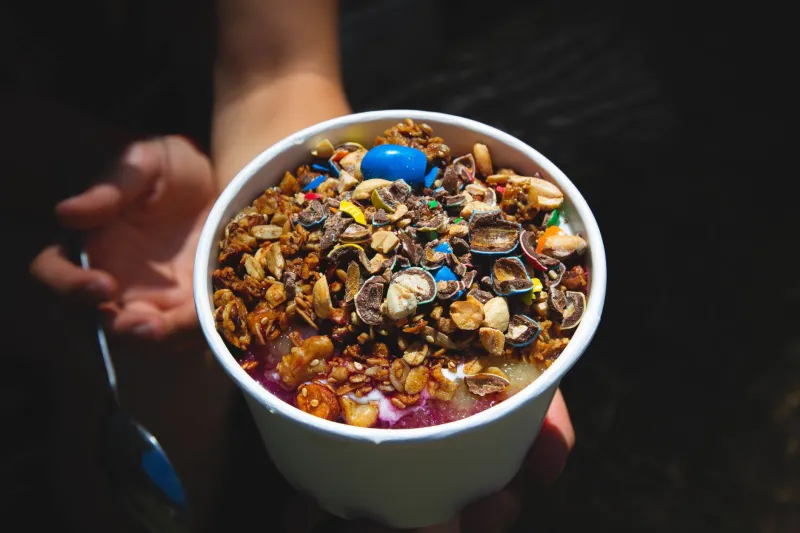
Granola has a health halo so strong it's practically blinding. Oats! Nuts! Seeds! All real, whole ingredients. But most commercial granolas — even the ones sold at natural food stores and farmers markets — are loaded with added sugars. Honey, maple syrup, brown rice syrup, cane sugar: they go by a dozen names on the label and they all do the same thing to your blood glucose.
Even "low sugar" versions often rely heavily on refined oats that digest quickly, sending that glucose spike racing through your system. A cup of granola can easily carry 25–30 grams of sugar before you've added a single topping.
Yogurt Parfaits: A Dessert in Disguise
Yogurt is protein. Fruit is natural sugar. Together they sound like a responsible choice. But here's where it gets tricky: flavored yogurts, even the ones marketed as "light" or "low fat," often have more added sugar per serving than a candy bar. And the "low fat" label is part of the problem — manufacturers strip the fat and replace it with sugar to keep the product palatable.
Full-fat, plain Greek yogurt is a different story. But layer it with sweetened granola, a drizzle of honey, and a handful of dried fruit (which concentrates sugar dramatically compared to fresh), and you've essentially built yourself a sundae and called it breakfast.
Whole Grain Toast: The Glycemic Index Myth
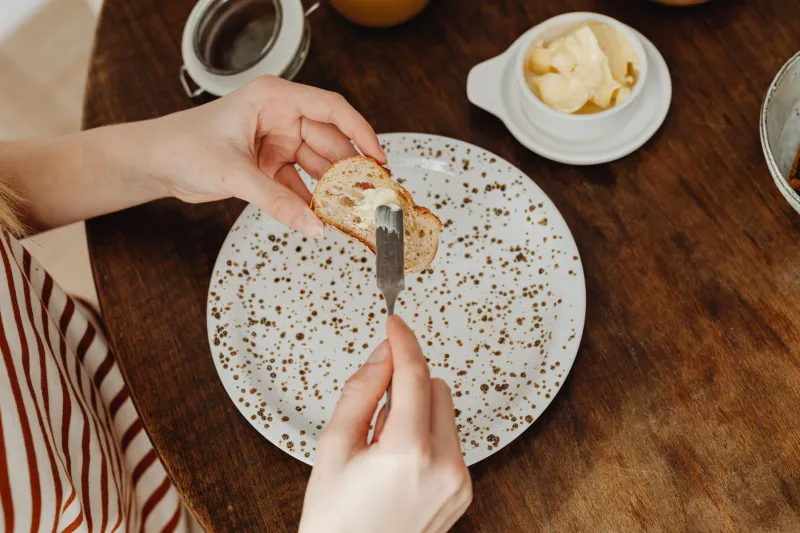
Whole grain toast is one of the most persistent health myths in the American breakfast canon. Yes, whole grains are better than white bread. But "better" doesn't mean "blood sugar neutral."
Most commercial whole grain breads are still made from finely milled flour, which your digestive system processes almost as quickly as white bread. The glycemic index of many whole wheat breads sits surprisingly close to white bread — especially when toasted, which actually increases how fast the starch is broken down. Top it with jam, honey, or even a ripe banana, and you've compounded the sugar load significantly.
Smoothies: Liquid Sugar in a Virtuous Container
A smoothie made with two cups of fruit juice, a banana, frozen mango, and a handful of berries can carry 50–60 grams of sugar — more than a can of soda. Blending fruit also breaks down fiber that would otherwise slow glucose absorption. Without that fiber intact, the sugar hits your bloodstream fast.
Adding protein powder helps, but it doesn't fully offset the glycemic impact of a fruit-heavy blend with no fat and no fiber-rich vegetables.
What Actually Keeps Your Energy Steady
This isn't a case for skipping breakfast or going low-carb forever. It's a case for composition — building your morning meal around the macronutrients that slow digestion and prevent those dramatic glucose swings.
Protein is your anchor. Eggs, cottage cheese, smoked salmon, nut butter — protein slows gastric emptying, which means glucose enters your bloodstream more gradually. Studies consistently show that higher-protein breakfasts lead to better satiety and more stable energy through the late morning.
Fat is your friend. The diet culture of the '90s did a number on us. Fat doesn't make you fat, and it absolutely does not spike your blood sugar. Avocado, full-fat dairy, nuts, seeds — these slow the absorption of any carbohydrates you eat alongside them and keep you feeling full longer.
Fiber is the regulator. Non-starchy vegetables at breakfast — yes, vegetables, at breakfast — are one of the most underrated moves you can make. Sautéed spinach, sliced cucumber, a handful of arugula alongside your eggs: the fiber blunts glucose absorption and feeds your gut microbiome while it's at it.
Whole, minimally processed carbs are fine in context. Steel-cut oats (not instant), sourdough bread made with whole grain flour and long fermentation, legumes — these digest more slowly and don't trigger the same spike as their refined counterparts. The key is pairing them with protein and fat rather than eating them alone.
Rebuilding Your Breakfast Without Giving Up What You Love
None of this means you have to say goodbye to yogurt or oatmeal forever. It means building smarter combinations.
Swap flavored yogurt for full-fat plain Greek yogurt and sweeten it yourself with a small amount of fresh fruit — you'll use a fraction of the sugar. Make your own granola with less sweetener and eat it as a topping, not the base. Upgrade your toast by choosing a true whole grain sourdough, spreading it with almond butter instead of jam, and adding a fried egg on top.
For smoothies, shift the ratio: more leafy greens, less fruit, add a scoop of protein, a tablespoon of nut butter, and use unsweetened almond milk instead of juice. It tastes different — but different is exactly what your blood sugar needs.
The Brilliant Breakfast Reframe
Brilliance after breakfast isn't just about eating something in the morning. It's about eating the right combination — one that gives your brain a steady, reliable supply of fuel rather than a dramatic spike and the inevitable crater that follows.
The foods that look the healthiest on the surface aren't always the ones doing the most for you under the hood. Once you start paying attention to how you actually feel two hours after eating — not just how virtuous your bowl looked — the patterns become impossible to ignore.
Your morning meal is either setting you up or quietly pulling the rug out. The good news is that with a few targeted swaps, it's not that hard to tell the difference.